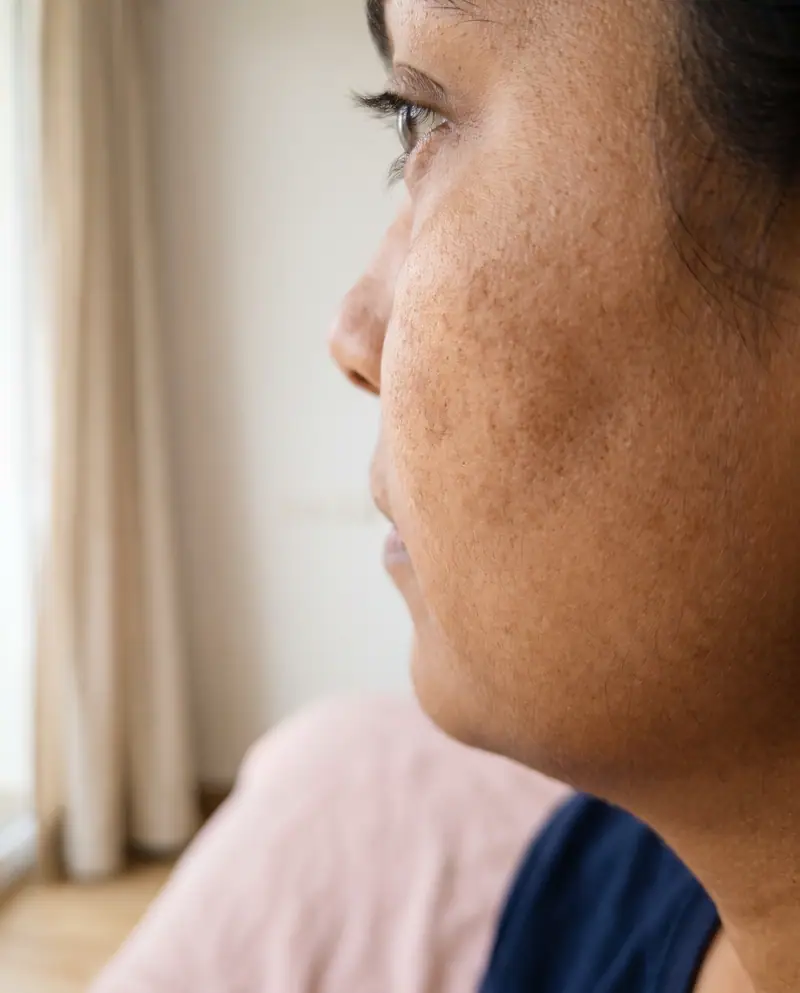
Types of acne scars
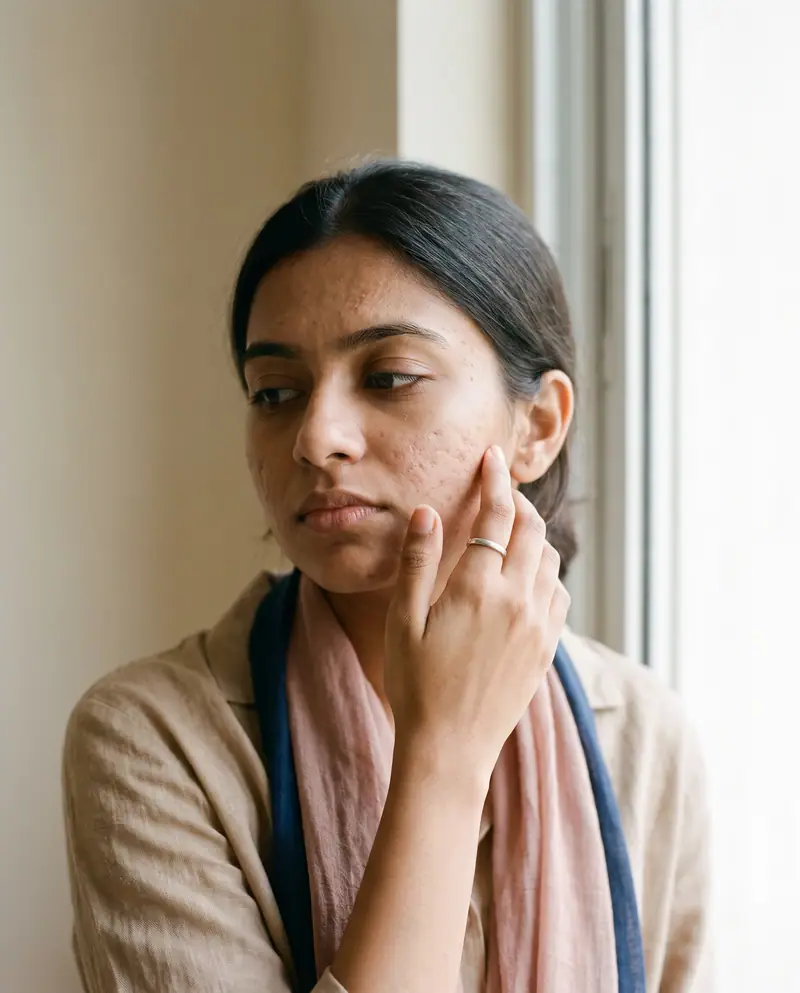
- Rolling scars
- with gently sloping edges.
- Box scars
- with sharp edges.
- Ice-pick scars
- deep pits that look like large open pores.
- Hypertrophic scars and keloids
- raised, bumpy scars; a scar that keeps growing beyond the original pimple becomes a keloid.
A plan made for your scars
Pimples and their scars are a very common concern for teens and young adults, often because the pimples are picked at in front of the mirror. At Dr. Raj’s, your treatment is customised after an elaborate consultation and a standardised assessment, and may combine more than one of the procedures below.
Treatments we offer
- Subcision
- The scarred area is numbed with local anaesthesia, and the bands that hold the base of the scar to the structures beneath are released with needles. This reduces the depth of the scar.
- Pixel resurfacing
- A fractionated Erbium YAG laser from Alma Lasers that works by ablative fractional resurfacing, using a wavelength suited to Asian skin (rather than the more aggressive carbon dioxide laser). It stimulates collagen production and works on most types of scars and lines. With a numbing cream it is almost painless, and our dermatologist completes it in about 15 minutes. For box scars, a technique called shouldering may be used first: the laser softens the sharp edges so the scars respond better to resurfacing.
- Microneedling radiofrequency
- Fine needles deliver radiofrequency energy into the skin. See Secret RF for how it works.
- Scar excision
- For deep scars. Under local anaesthesia, the scar is removed with a small pen-sized punch and the edges of the normal skin are stitched together, leaving a shallow scar that is then blended with Pixel resurfacing.
- Dermal fillers
- The scars are filled with hyaluronic acid, a substance the skin produces naturally. It stays in place for about 6 to 8 months and is then slowly absorbed by the body. We use only US FDA-approved fillers. It can be done as a lunch-hour procedure under an anaesthetic cream.
- Injections for keloids and hypertrophic scars
- Injections into raised scars stop them growing and flatten them as much as possible. They are given at two- to four-week intervals.
- Peels
- For flat or pigmented scars. Over 4 to 5 days, the top layers of the skin peel off.