
Types of hair loss
Genetic hair loss in men
Androgenetic alopecia is driven mainly by hormones and genes. It usually begins at both temples, and the hairline recedes into an ‘M’ shape. At the same time the hair thins at the crown, leading to partial or complete baldness.
Genetic hair loss in women
Androgenetic alopecia is common in women too: studies show that nearly 40% of women show signs of it by the age of 50. It can be shedding, a loss of volume, or both. It is linked to polycystic ovary syndrome (PCOS), which also brings excess body hair, weight gain and irregular periods, but is caused mainly by hormonal imbalance.
Diffuse hair loss (telogen effluvium)
A temporary hair loss that shows as a thinner ponytail and heavy shedding. After a shock to the body, much of the actively growing (anagen) hair moves into the resting (telogen) phase and is pushed out of the scalp.
Patchy hair loss (alopecia areata)
Hair falls in round patches, usually on the scalp, sometimes on the body. It is not contagious: it is caused by the immune system attacking the hair follicles.
What triggers temporary hair fall
We all lose about 100 to 125 hairs a day; after a shock to the body this can rise to 300. Common triggers:
- Prolonged illness, such as an infection or high fever
- Thyroid hormone disorders
- Certain oral medicines
- Deficiency of nutrients such as iron and vitamin B12
- Scalp infection
- Pregnancy and menopause
- Stress and hormonal imbalance
- Harsh chemical and physical treatments: colouring, straightening, lengthening
Treatment options
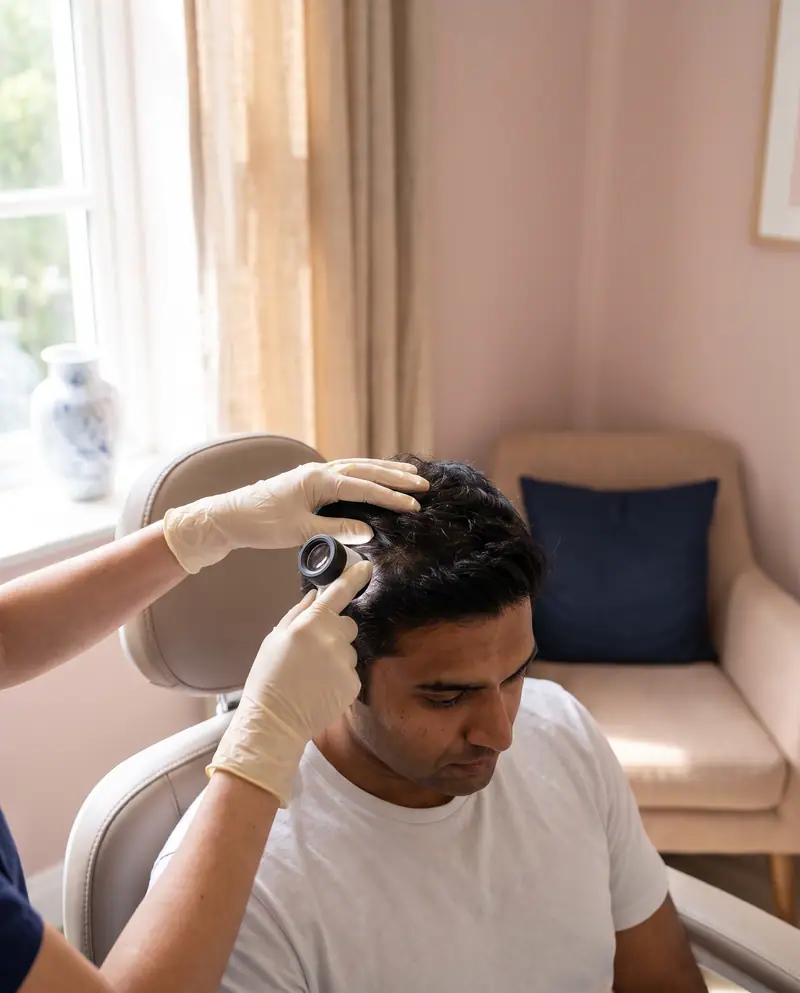
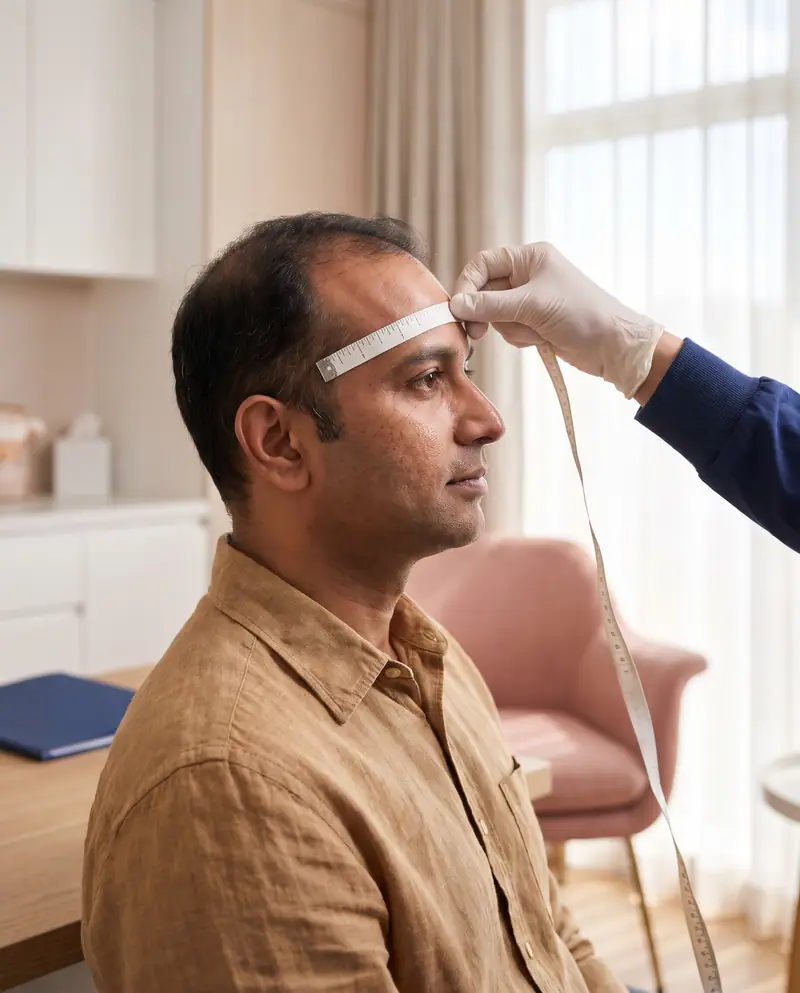
Before deciding on treatment, our specialists examine your case thoroughly, including your medical and family history. Once the cause of the hair fall is identified, a treatment plan is made for you.
- Oral medication
- Multivitamins for hair growth and overall health: iron, vitamin B12, selenium, copper, calcium and biotin can help prevent hair fall. Finasteride is used mainly for genetic hair loss; it reduces the androgens behind it.
- Topical minoxidil
- Stimulates hair growth and slows balding, for people under 40 whose hair loss began recently. A liquid or foam applied twice a day; at least 4 months to a year of use is recommended.
- PRP therapy
- Non-surgical: platelet-rich plasma from your own blood, injected into the scalp.
- Hair transplantation
- Surgical: FUT or FUE.